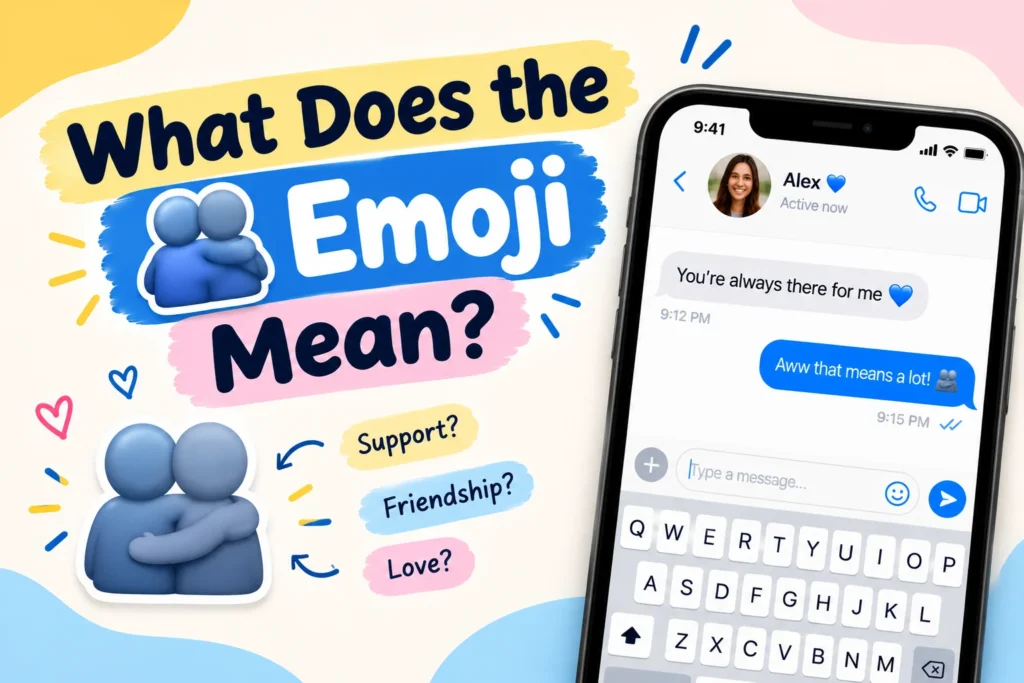

The 🫂 emoji, officially called People Hugging, represents two people embracing. It is commonly used to express comfort, emotional support, affection, friendship, sympathy, or the feeling of sending someone a hug through a message.
Thank you for reading this post, don't forget to subscribe!Meaning, Copy And Paste
+1
If someone sends you 🫂, they may be saying, “I’m here for you,” “Sending you a hug,” or “You are not alone.” The exact meaning depends on the conversation and your relationship with that person. A friend might use it to comfort you after a difficult day, a family member might send it to show affection, or a romantic partner might use it to express closeness.
The 🫂 emoji can also appear in messages about reunions, goodbyes, gratitude, or emotional moments. Unlike the 🤗 emoji, which shows a smiling face with open hands, 🫂 directly depicts two people hugging.
In this guide, you’ll learn what the 🫂 emoji means in texting, from a friend or crush, and on social media. You’ll also find realistic conversation examples, the difference between 🫂 and 🤗, and the emoji’s official name and Unicode details.
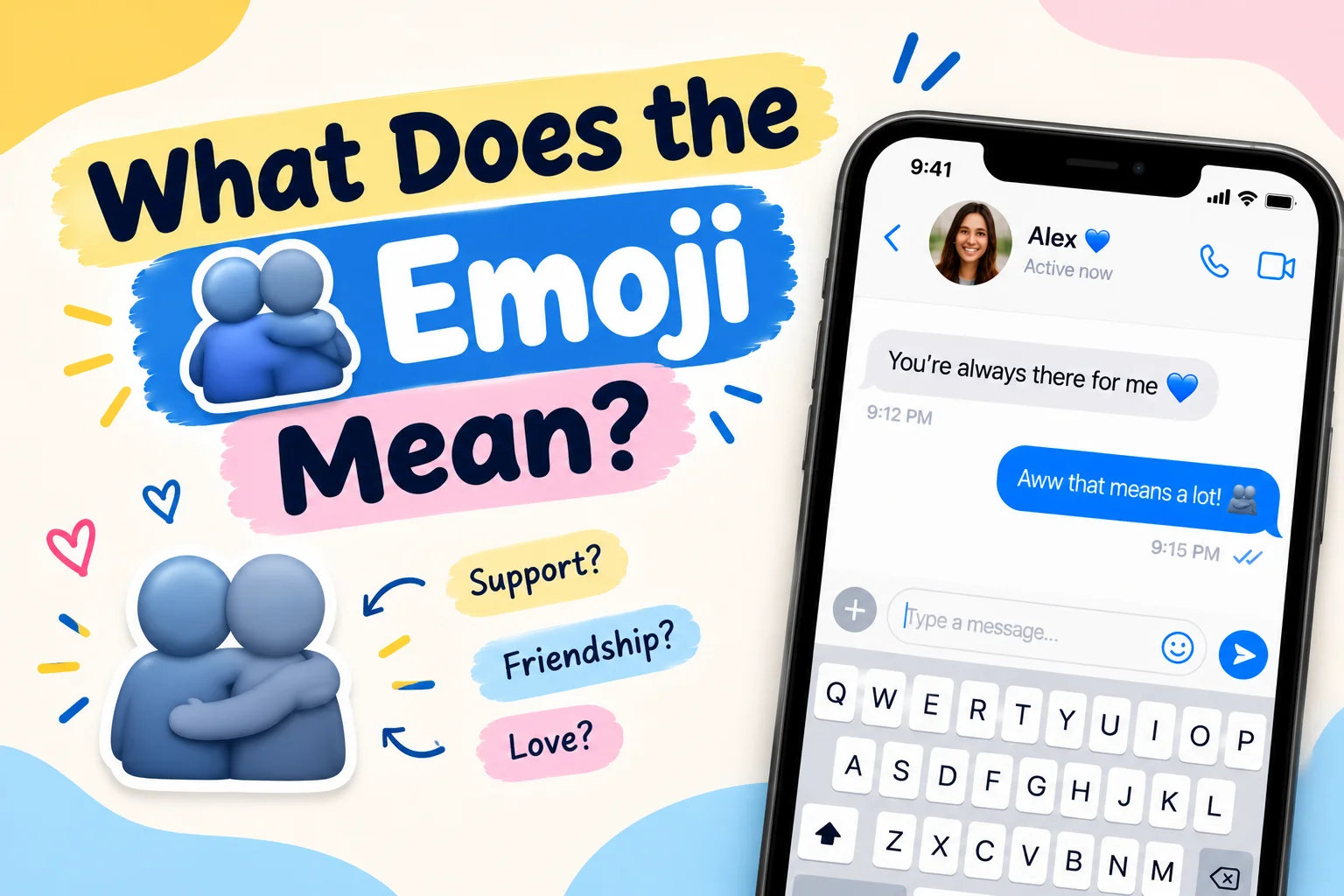
The 🫂 emoji usually represents a hug or the emotions associated with hugging someone.
Common meanings include:
- Comfort: Showing someone you care when they’re upset.
- Support: Letting someone know you’re there for them.
- Affection: Expressing warmth toward a friend, family member, or partner.
- Sympathy: Responding kindly to someone’s difficult experience.
- Friendship: Showing closeness and appreciation.
- Reunion: Celebrating seeing someone again.
- Gratitude: Thanking someone warmly.
For example:
Friend: “I’ve had such a difficult week.”
You: “I’m sorry 🫂 I’m here if you need to talk.”
Here, the emoji communicates comfort and support without needing a long explanation.
It doesn’t always mean the sender wants a literal hug. Sometimes it simply expresses care or emotional understanding.
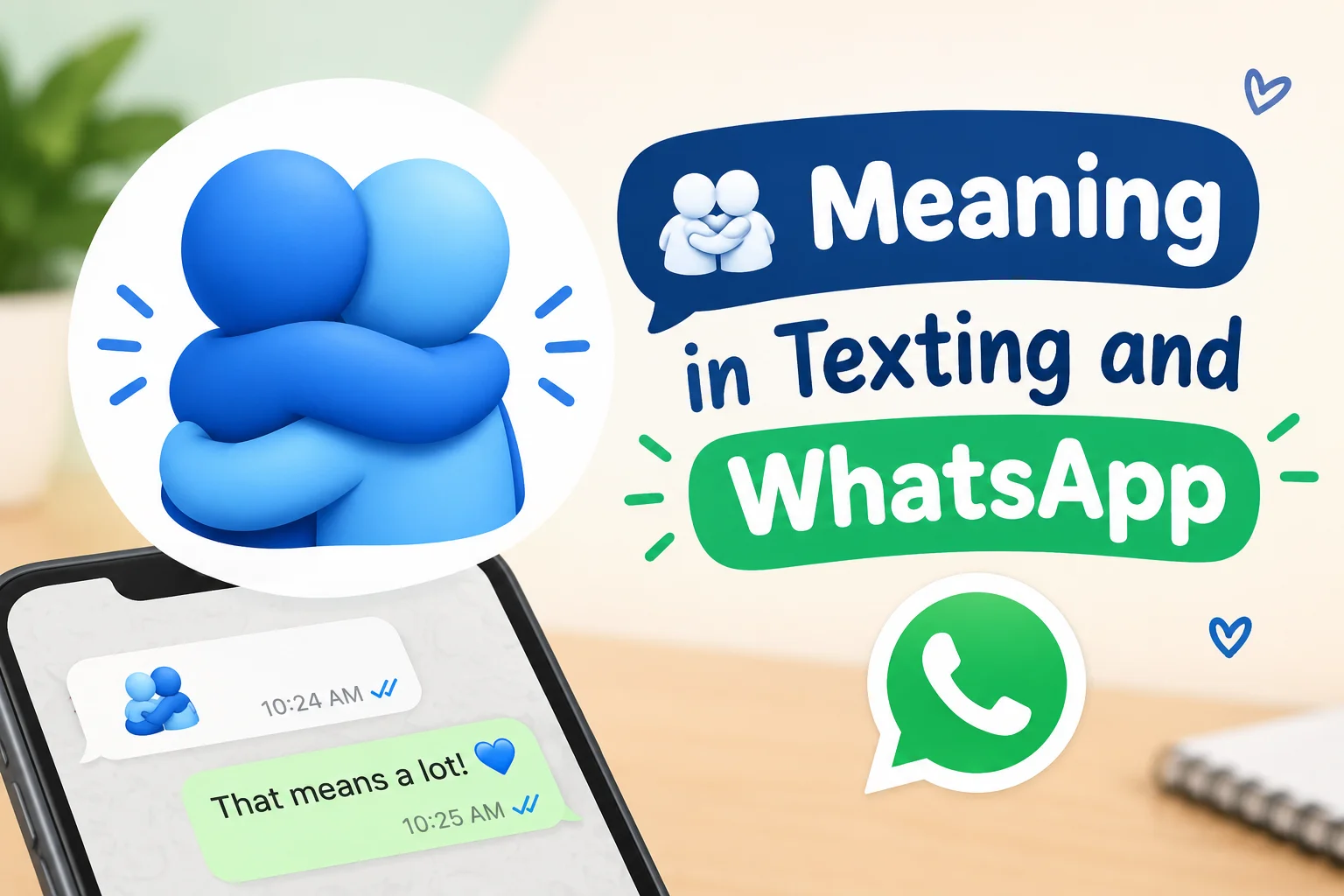
In texting, 🫂 is often a way to send a virtual hug when you can’t be physically present. It can make a short message feel more caring and personal.
For example:
Example 1: Comforting a friend
Friend: “I feel like everything is going wrong today.”
You: “I’m sorry. Sending you a big hug 🫂❤️”
Meaning: You want your friend to feel supported and cared for.
Example 2: Saying goodbye
Friend: “I’m moving away next week. I’ll miss you.”
You: “I’m going to miss you too 🫂”
Meaning: The emoji expresses affection and sadness about being apart.
Example 3: Saying thank you
You: “Thank you for always listening to me.”
Friend: “Of course 🫂”
Meaning: The emoji adds warmth and appreciation to the reply.
Example 4: Celebrating good news
Friend: “I finally got the job!”
You: “I’m so happy for you! 🫂❤️”
Meaning: Here, the emoji expresses happiness, affection, and closeness.
These examples show that 🫂 isn’t limited to sad conversations. It can communicate support, affection, happiness, and connection.
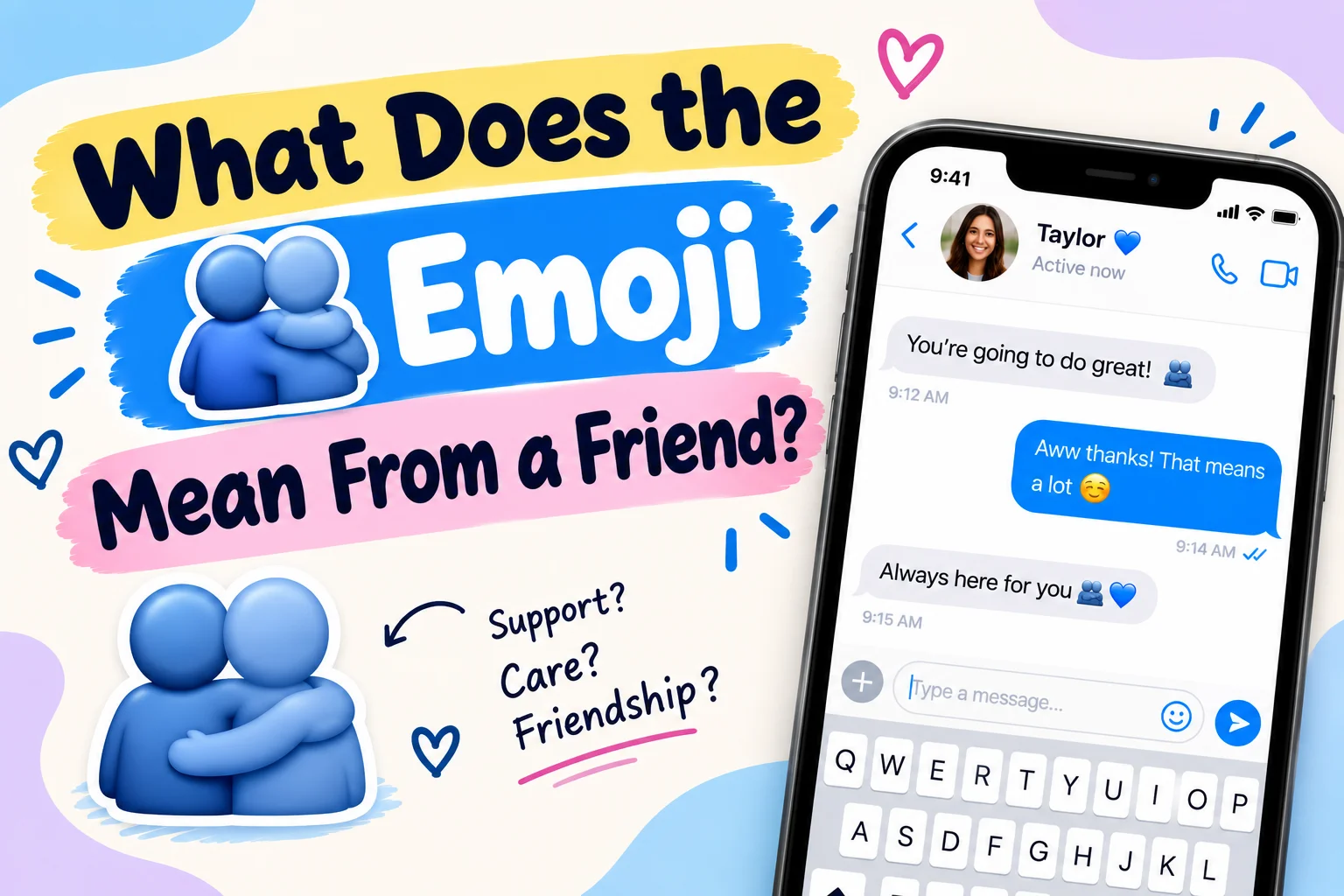
When a friend sends 🫂, it often means “I’m here for you,” “Sending you a hug,” or “I care about you.”
The emoji is especially useful when a friend is going through a difficult time and you want to show support without needing to find perfect words.
For example:
You: “I didn’t pass my exam, and I’m really disappointed.”
Friend: “I’m sorry 🫂 You’ll get through this.”
Your friend is likely offering comfort and encouragement.
It can also appear in ordinary, happy conversations:
Friend: “I haven’t seen you in months!”
You: “I know! We need a proper catch-up 🫂”
In this context, it suggests warmth and excitement about reconnecting.
A hug emoji from a friend doesn’t automatically indicate romantic interest. Friendship, care, and emotional support are common interpretations.
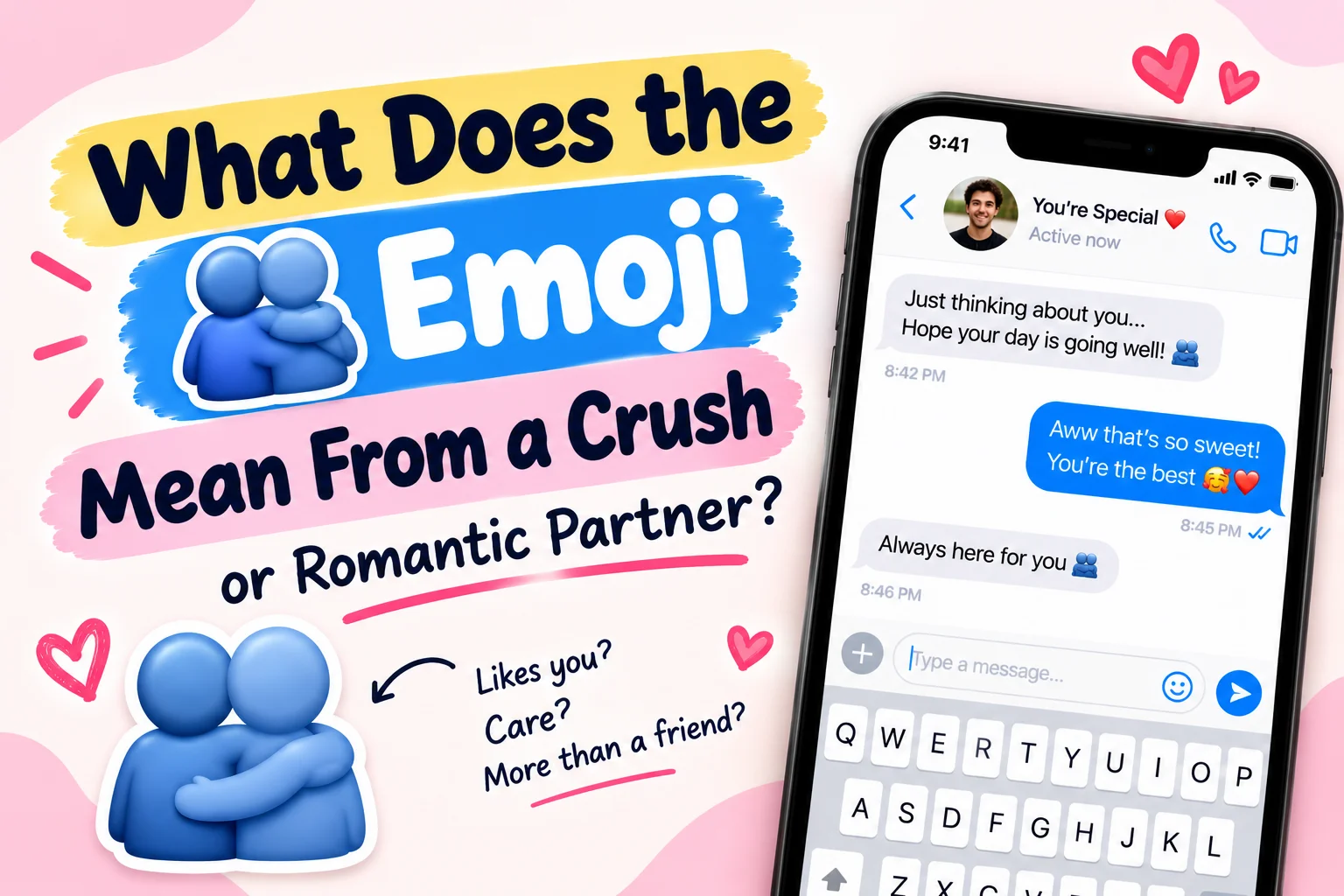
When a crush or romantic partner sends 🫂, it may express affection, emotional closeness, reassurance, or a desire to comfort you.
However, 🫂 is not automatically a sign of romantic interest. Friends and family members use it too.
Consider these examples.
From a crush
You: “I wish I could see you today.”
Crush: “Me too 🫂”
This may suggest that they miss you and want to feel close to you. Whether it’s romantic depends on your relationship and the rest of the conversation.
From a romantic partner
Partner: “I know you’ve been stressed lately. I’m always here for you 🫂❤️”
Here, the emoji reinforces love, reassurance, and emotional support.
After an argument
Partner: “I’m sorry about earlier. Can we talk?”
You: “Yes 🫂”
In this situation, it may communicate a willingness to reconnect or make peace.
To understand what someone means, consider their words, how they usually text, and the nature of your relationship. One emoji alone cannot tell you exactly how someone feels.
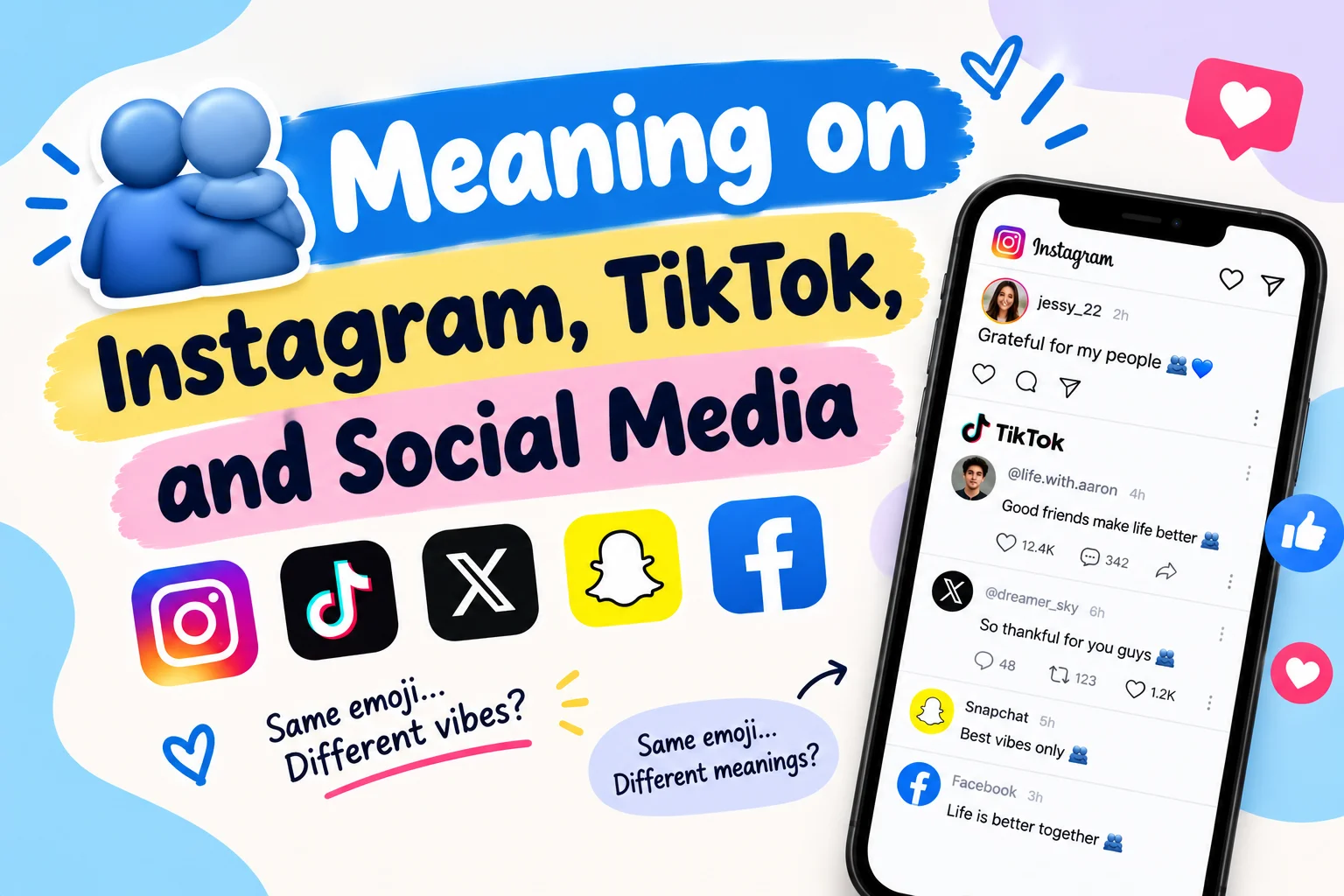
On social media, 🫂 can appear in comments, captions, replies, and direct messages. It is often used to show support, affection, solidarity, or sympathy.
Here are some common examples:
- A friend shares sad news: “I’m so sorry you’re going through this 🫂”
- Someone posts about a difficult experience: “Sending you love and hugs 🫂”
- A reunion photo: “Finally together again 🫂❤️”
- A friendship post: “Grateful to have you in my life 🫂”
- A thank-you message: “You helped me more than you know 🫂”
Emojipedia describes the People Hugging emoji as a representation of two people embracing and notes its use for sympathy and solidarity during uncomfortable or difficult situations.
Meaning, Copy And Paste
On social media, the meaning still depends on the post. A hug emoji beneath a sad announcement is likely supportive, while one beneath a reunion photo may celebrate affection and togetherness.
🫂 vs. 🤗: What’s the Difference?
The 🫂 and 🤗 emojis both relate to hugging, but they look different and can communicate slightly different tones.

🫂 People Hugging
Depicts two people embracing. It often communicates comfort, sympathy, support, affection, or solidarity.
Example: “I’m here if you need me 🫂”

🤗 Hugging Face
Shows a smiling face with open hands. It can express affection and a hug, but it is also used for excitement, friendliness, or an enthusiastic greeting.
Example: “Great to see you! 🤗”
Emojipedia distinguishes the two, noting that 🤗 can sometimes be used to express excitement or as a playful hand gesture rather than a literal hug.
Meaning, Copy And Paste
Neither emoji has a single fixed emotional meaning. The best choice depends on the tone you want to convey.
Other Emojis Similar to 🫂
Several emojis can express related feelings, but each has its own visual meaning.
| Emoji | Common meaning |
|---|---|
| 🫂 | Hugging, comfort, support |
| 🤗 | Warmth, greeting, a hug |
| ❤️ | Love, affection, care |
| 🫶 | Love, appreciation, support |
| 🥰 | Feeling loved or affectionate |
| 💗 | Affection, warmth, growing love |
| 🧑🤝🧑 | People holding hands, connection |
| 🫂❤️ | A hug combined with love or care |
For example, 🫂❤️ can feel more affectionate than 🫂 alone, while 🫂🫶 may emphasize support or appreciation.
These are common interpretations, not strict rules. People can combine emojis in personal ways.
Official Name, Unicode, and History of 🫂
The official name of 🫂 is People Hugging. It represents two people embracing and belongs to the People & Body emoji category.
Here are its key details:
| Detail | Information |
|---|---|
| Emoji | 🫂 |
| Official name | People Hugging |
| Unicode code point | U+1FAC2 |
| Unicode version | Unicode 13.0 |
| Emoji version | Emoji 13.0 |
| Release year | 2020 |
Unicode’s official Emoji 13.0 charts list 🫂 as People Hugging, with keywords including hug, goodbye, hello, and thanks.
Unicode
+1
The emoji was proposed to represent the human act of hugging, which can communicate appreciation, empathy, friendliness, and comfort.
Unicode
Why Does 🫂 Look Different on Different Devices?
The emoji may appear slightly different on an iPhone, Android phone, Windows computer, or social media platform.
That’s because different platforms create their own artwork for the same Unicode character. The underlying code point remains U+1FAC2, even when the illustration changes.
Meaning, Copy And Paste
+1
On some devices, the figures appear blue or gray, while other designs may use different shades or shapes.
Common Misunderstandings About 🫂
1. 🫂 Always means romantic love
Not true. It can represent friendship, family affection, sympathy, or general emotional support.
2. 🫂 Is only used when someone is sad
No. People also use it for reunions, happy moments, gratitude, and affectionate greetings.
3. 🫂 and 🤗 mean exactly the same thing
They overlap, but their designs differ. 🫂 shows two people embracing, while 🤗 shows a smiling face with open hands.
4. Receiving 🫂 means someone wants a physical hug
Not necessarily. It may simply be a virtual expression of support or care.
5. 🫂 proves someone has romantic feelings
An emoji cannot establish that on its own. Look at the broader conversation and the relationship.
When Should You Use the 🫂 Emoji?
Use 🫂 when you want to communicate warmth, comfort, affection, or support.
It works well in messages such as:
- “I’m always here for you 🫂”
- “Sending you a big hug 🫂”
- “I’m so glad we got to meet again 🫂”
- “Thank you for being there for me 🫂❤️”
- “You can talk to me whenever you need to 🫂”
It’s suitable for casual conversations with friends, family, and romantic partners. It can also be appropriate in supportive online comments.
For a formal workplace email, a hug emoji may feel too personal, depending on the workplace culture and relationship. If someone is sharing serious or painful news, pair the emoji with sincere words rather than relying on the symbol alone.
FAQs About the 🫂 Emoji Meaning
What does 🫂 mean in texting?
It usually represents a hug, comfort, affection, sympathy, or support. The sender may be offering a virtual hug or showing that they care.
What does 🫂 mean from a girl?
It may mean she is offering comfort, showing affection, expressing friendship, or sending a virtual hug. It does not automatically mean she is romantically interested.
What does 🫂 mean from a guy?
It can communicate support, warmth, friendship, or affection. Its meaning depends on the message and your relationship with him.
Does 🫂 mean “I love you”?
Not necessarily. It can accompany a loving message, but it also commonly expresses friendship, sympathy, or emotional support without romantic meaning.
What does 🫂❤️ mean together?
Together, these emojis often communicate a hug combined with love, affection, or care. The exact meaning depends on the sender and conversation.
What’s the difference between 🫂 and 🤗?
🫂 depicts two people hugging, while 🤗 shows a smiling face with open hands. Both can express warmth, but 🫂 directly represents an embrace.
What is the Unicode code for 🫂?
The Unicode code point is U+1FAC2. The official name is People Hugging, and it was included in Unicode 13.0 in 2020.
Unicode
+1
Final Takeaway
The 🫂 emoji meaning is mainly about hugging, comfort, affection, and emotional support. It gives people a simple way to show that they care, especially when they cannot be physically present to offer a hug.
In texting, a friend may send 🫂 to comfort you after a difficult day. A family member might use it to express affection, while a romantic partner may use it to show closeness or reassurance. On social media, it often appears in supportive comments, reunion posts, and messages celebrating friendship.
Still, the emoji doesn’t have one universal meaning. It doesn’t automatically indicate romantic love, and it isn’t limited to sad situations. Its meaning comes from the words around it, the relationship between the people, and the tone of the conversation.
The official name is People Hugging, and its Unicode code point is U+1FAC2. It was added in 2020 as part of Unicode 13.0.
Unicode
+1
If someone sends you 🫂, a reasonable first interpretation is that they’re expressing warmth, offering support, or sending a virtual hug. Read the surrounding message to understand the feeling they most likely intend.